The Ultimate Guide: Important Things to Think About When Buying Engines Online for Your Vehicle
When acquiring an engine online, numerous elements must be considered to secure a smooth purchase. Vehicle compatibility is paramount, demanding careful review of details like vehicle make, model, and VIN. Buyers must also weigh the advantages and disadvantages of brand-new, remanufactured, and secondhand alternatives. Comprehending warranty coverage and locating reliable vendors can make more challenging the purchasing journey. As these elements intertwine, it grows apparent that informed decisions are critical for a positive result. How should one proceed from here?
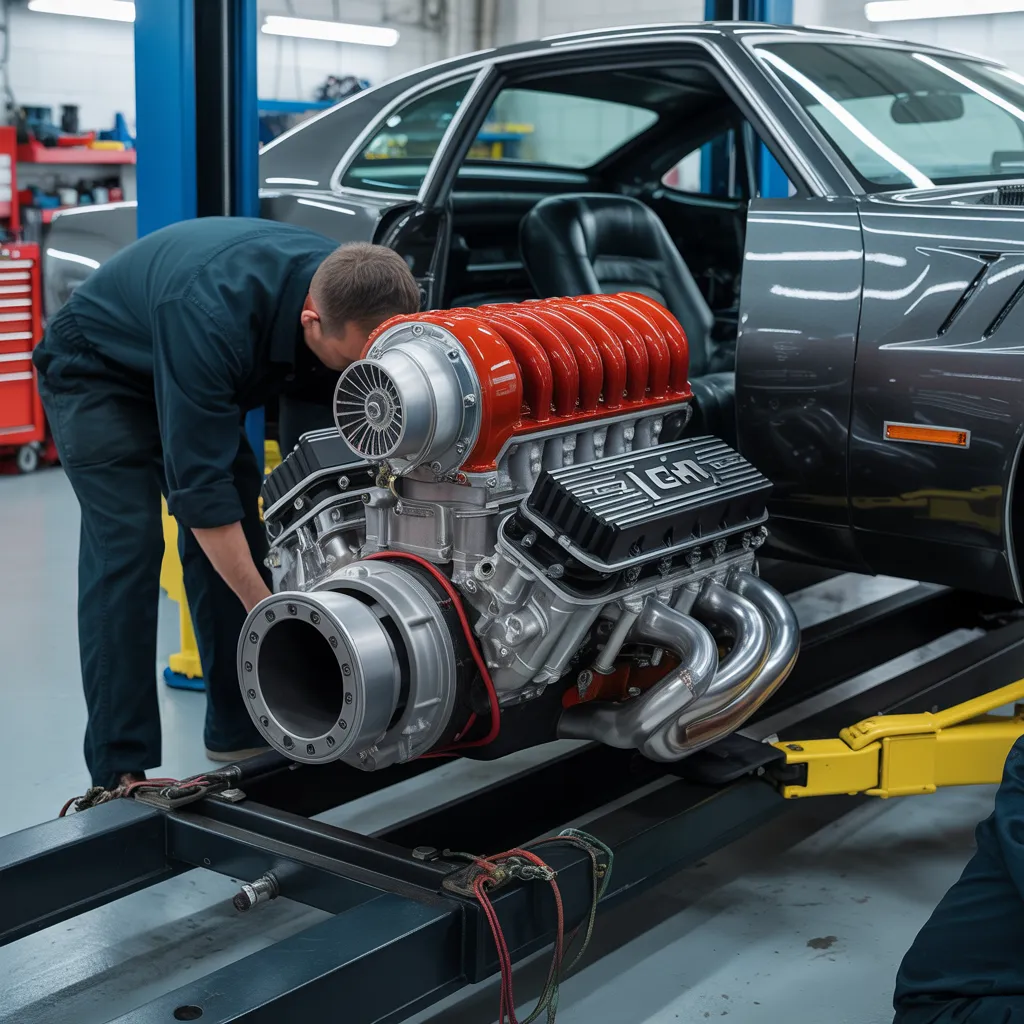
How to Confirm Engine Compatibility With Your Vehicle
When buying an engine online, confirming the engine is compatible with your vehicle is vital for ensuring a proper fit. Buyers should begin by establishing the vehicle's make, model, and year, as this information is key to selecting the right engine. In addition, reviewing the vehicle identification number (VIN) can offer precise information that helps verify compatibility.
In addition, it is necessary to consider the type of engine, such as whether it is diesel or gasoline, as well as the engine's size and layout. Examining the engine's part numbers can also help in verifying that it matches the specific needs of the vehicle.
Purchasers should consult the vendor for relevant compatibility assurances or return policies, which can help avoid unanticipated complications. Lastly, reading customer reviews and checking for trustworthy references can provide insights into the vendor's reliability, ensuring a well-informed purchase decision.
Selecting Between New, Remanufactured, or Used Engines
Remanufactured engines present a middle ground, as they are restored to fulfill original specifications. This choice generally strikes a balance between affordability and dependability, appealing to those who want confidence without paying new engine prices. Furthermore, rebuilt engines frequently come with warranty coverage, boosting their desirability.
Second-hand engines represent the most economical selection but present inherent challenges, including uncertain wear and a possible absence of warranty coverage. Buyers must thoroughly evaluate the engine's history and condition before purchasing. At the end of the day, the selection should correspond with individual needs, considering factors such as budget constraints, performance needs, and risk tolerance.
A Guide to Warranties and Returns When Buying Engines Online
Maneuvering the intricacies of return policies and warranties is crucial for anyone buying an engine on the internet. Buyers should carefully review the warranty details supplied by the retailer, as these can fluctuate considerably between retailers and manufacturers. A robust warranty commonly includes defect coverage and delivers peace of mind, but it's critical to know the length and exact conditions.
Return policies are also of great importance; they define the circumstances in which an engine can be sent back if it falls short of expectations or encounters compatibility problems. Some sellers may offer a limited return window or restocking fees, which can impact the overall cost. Additionally, it is advisable to inquire about the process for returning faulty parts, as this can save considerable hassle later. Understanding these elements helps facilitate a smoother transaction and protects the buyer's investment in the long run.
Determining a Reasonable Budget for Your Engine Purchase
When establishing a budget for an engine acquisition, it is read here essential to establish a clear budget range first. Purchasers should also factor in installation costs, as these can considerably influence the overall expenditure. Furthermore, factoring in future maintenance expenses will help confirm that the acquisition remains cost-effective in the years ahead.
Identify Your Budget Range
Setting a financial plan for an engine purchase demands careful consideration and financial foresight. Prospective purchasers should first explore available options to determine the cost spectrum for different engine types, including brand-new, reconditioned, and secondhand selections. It is vital to assess personal finances and determine how much is available to spend without compromising other financial obligations. Shoppers should also account for the long-term value of the engine, weighing durability and efficiency relative to the upfront expense. Establishing a spending range not only assists in limiting potential selections but also avoids excessive expenditure. In the end, a carefully outlined budget ensures that the buyer remains focused on engines that align with both their expectations and monetary boundaries, rendering the acquisition process far more effective.
Factor In Installation Costs
Planning a budget for an engine purchase requires more than accounting for the engine's price alone; the costs of installation must also be included in your calculations. Such costs can fluctuate considerably depending on the installation's complexity, the kind of vehicle, and the labor rates charged by different mechanics. Auto repair professionals may bill a flat rate or an hourly charge, either of which can increase costs quickly. Additionally, specialized tools or equipment may be needed, further increasing expenses. Buyers should make it a priority to request quotes from various mechanics to gain a realistic understanding of installation costs. By factoring these costs into the total budget, buyers can prevent unforeseen financial burdens and ensure a more seamless engine replacement experience.
Plan for Future Maintenance Outlays
Forecasting prospective upkeep costs is important for anyone purchasing an engine. Individuals should take into account the future costs related to engine servicing, including fluid changes, filter replacements, and potential repairs. It is recommended to study the particular engine model to assess its performance history and common issues, as specific engine models may necessitate more frequent servicing than others. Furthermore, warranty options can deliver confidence but may also impact the overall budget. Prospective owners should include the costs of specialized tools or expert services needed for maintenance. By planning for these financial obligations, individuals can make a more informed purchase, ensuring that their financial commitment aligns with their monetary resources over the engine's lifespan. This strategic method eventually improves vehicle performance and longevity.
Identifying Trustworthy Online Engine Retailers
When purchasing an engine via the web, evaluating retailer credibility is important. Consumers should research the retailer's reputation, confirm warranty coverage, and check return policies to ensure a safe purchase. These actions can help mitigate risks and improve the overall purchasing experience.
Examine Retailer Reputation
Many considerations are involved in identifying reputable online engine retailers, but a key factor is researching their reputation. Customers can begin by checking online reviews and ratings on channels including Google, Yelp, or dedicated car enthusiast communities. Favorable reviews from past customers commonly reflects trustworthiness and superior assistance. Moreover, it's beneficial to examine the retailer's history, such as their years of operation and connections to reputable vehicle industry groups. Engaging with community discussions can also reveal possible warning signs. In conclusion, vendors with straightforward terms regarding refunds and client assistance generally indicate dedication to buyer fulfillment, further enhancing their credibility in the competitive online marketplace.
Review Warranty Options
Comprehending warranty terms is an essential step in the process of purchasing an engine online. A robust warranty provides valuable protection against production flaws and potential failures. Consumers should closely review the warranty terms, including length, coverage specifics, and any restrictions that may apply. It's important to favor retailers that offer comprehensive warranties, as this often demonstrates their trust in product quality. Furthermore, being familiar with the claims process is important; a straightforward procedure can reduce time and frustration if complications develop. Some retailers may also include additional warranty coverage for added peace of mind. By reviewing warranty options, purchasers can make more informed decisions and ensure that their investment is protected against unexpected issues.
Check Return Policies
Prior to making a purchase, buyers should carefully check the refund policies of online engine retailers to ensure they can effectively handle any possible problems. Knowing the return conditions is essential; a retailer that offers a lenient return policy demonstrates trustworthiness and customer commitment. Buyers should look for policies that allow returns within a suitable window of time and offer straightforward guidance on how to begin the return process. Moreover, it is necessary to consider whether the seller absorbs shipping fees for returns, as this can considerably influence overall spending. A transparent return policy can serve as an indicator of the retailer's trustworthiness and focus on customer satisfaction, making it a critical consideration in the buying decision.
Following Your Purchase: Setup Guidelines
Installing a brand new engine can be a rewarding yet challenging task that demands careful attention to detail. Thorough preparation is crucial; commence by assembling all needed tools and materials, including new gaskets, fluids, and any required hardware. A well-organized workspace will enable a more efficient installation process.
Before taking out the old engine, document the wiring and hoses' configurations to ensure accurate reassembly. It is advisable to have a repair manual specific to the vehicle model on hand for reference.
As the new engine is positioned, confirm it aligns correctly with the mounts. Torque requirements must be adhered to carefully, as inadequate torquing could result in complications later. After installation, thoroughly check for leaks and perform a thorough inspection before starting the engine. Lastly, let the vehicle run at idle and watch for any abnormal noises or irregularities, confirming a smooth transition to the new engine.
Questions We Often Receive
How Do I Check an Engine's History Before Purchasing?
To inspect an engine's history before purchasing, one ought to secure its Vehicle Identification Number (VIN), examine service records, check for accident history, and utilize online resources to confirm ownership and maintenance history carefully.
What Are the Key Signs of a Quality Engine Listing?
Top-quality engine listings generally include precise, in-depth descriptions, numerous high-resolution images, precise technical specifications, confirmed seller reviews, and clear disclosure of the engine's background and current state. Complete warranty terms and return provisions also confirm a reputable offering.
Can I Negotiate Prices When Buying Engines Online?
Yes, price negotiation when buying engines online is commonly an option. Shoppers should examine similar listings, grasp the market value, and engage sellers courteously, as most sellers are receptive to conversations aimed at reaching a fair and mutually beneficial arrangement.
What Records Should I Ask the Seller For?
The buyer should seek documentation such as the engine's historical report, warranty information, proof of purchase, and any available maintenance records. These files guarantee transparency and help verify the legitimacy and condition of the engine.
How Much Time Does Engine Shipping Usually Take?
Shipping for engines usually spans anywhere from three to ten business days depending on both the seller's location and the chosen shipping method. Delays may occur due to customs or unforeseen circumstances, so it is advisable to confirm estimated delivery times in advance.